Environment & Energy
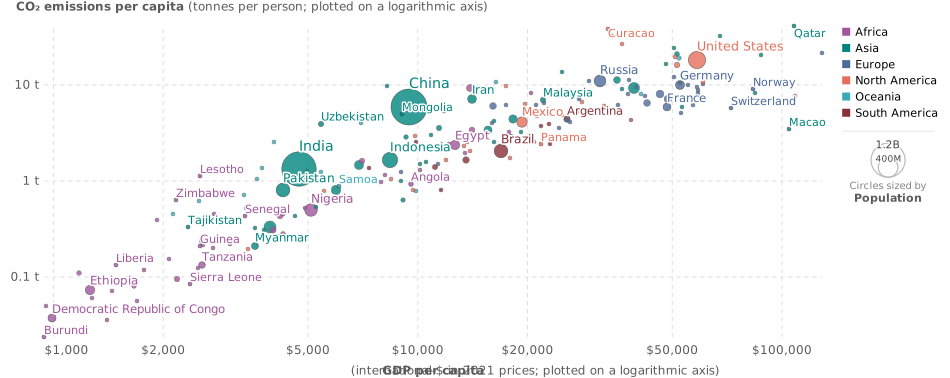
GDP vs CO2: A significant coupling
Shows the tight correlation between wealth and CO2 emissions for the last decades
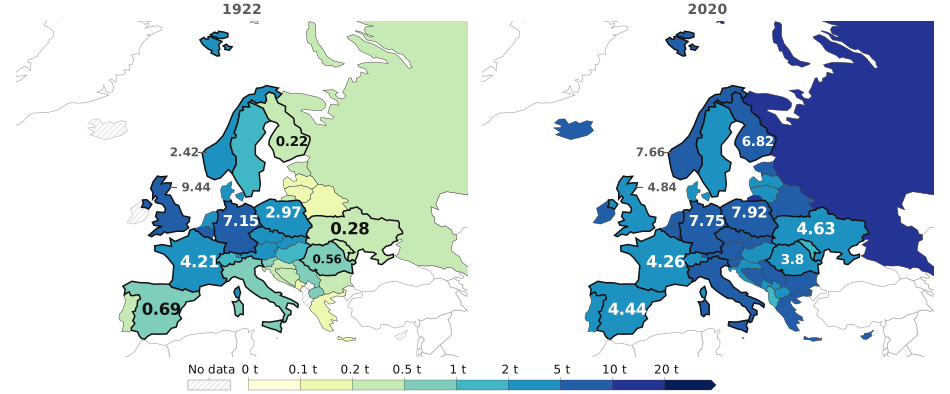
Global emissions evolution
Map showing which countries reduced emissions vs increased
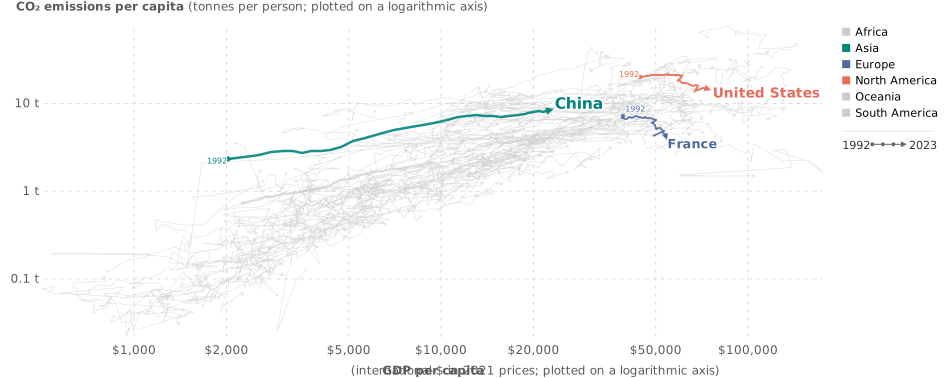
GDP vs CO2: Decoupling possibilities
Individual trajectories show that some countries achieve some level of decoupling through different policy choices, energy mix, or industrial transition stage
Politics
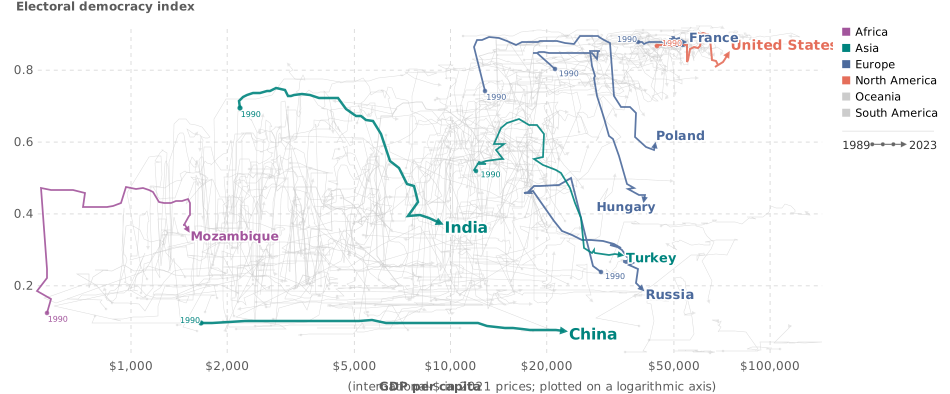
Democracy and development
Shows the impressive diversity of individual trajectories in the PIB-democraty phase space
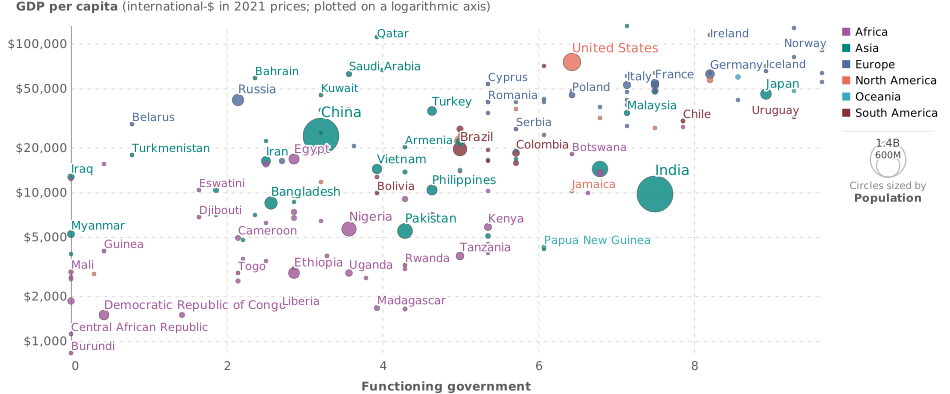
Governance quality and prosperity
Moderate correlation with substantial dispersion — high GDP can coexist with varying levels of government functioning.
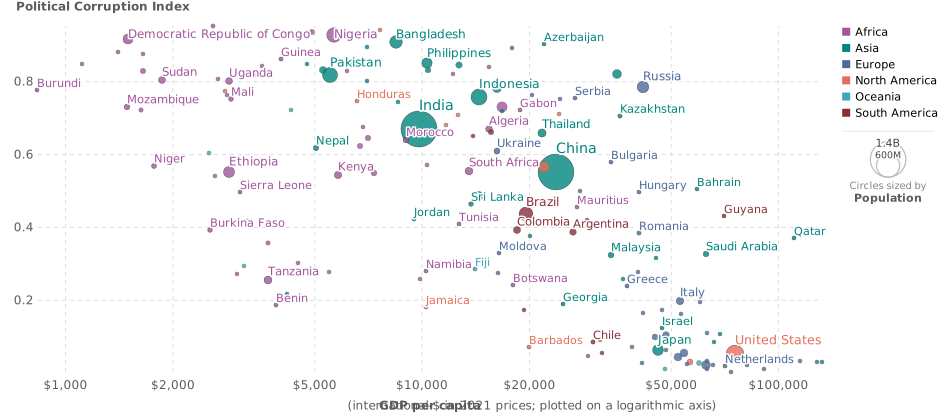
Democracy and corruption
Significant correlation: more democratic countries tend to have less corruption
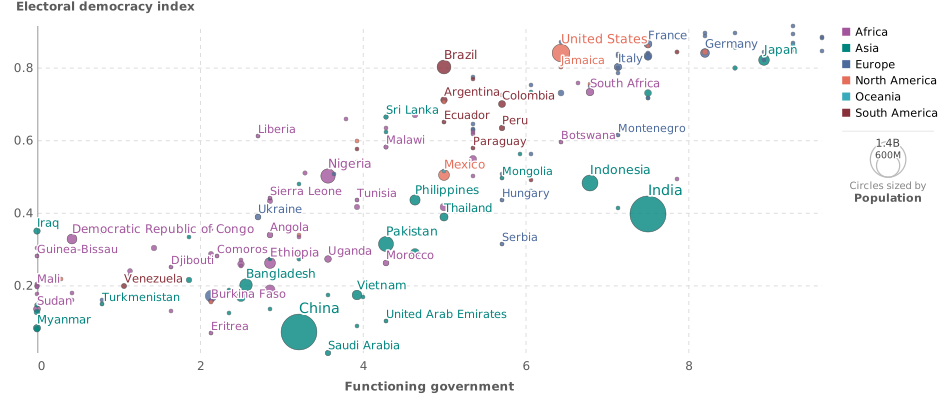
Military spending and regime type
Autocracies and countries in conflict spend more on military as % GDP
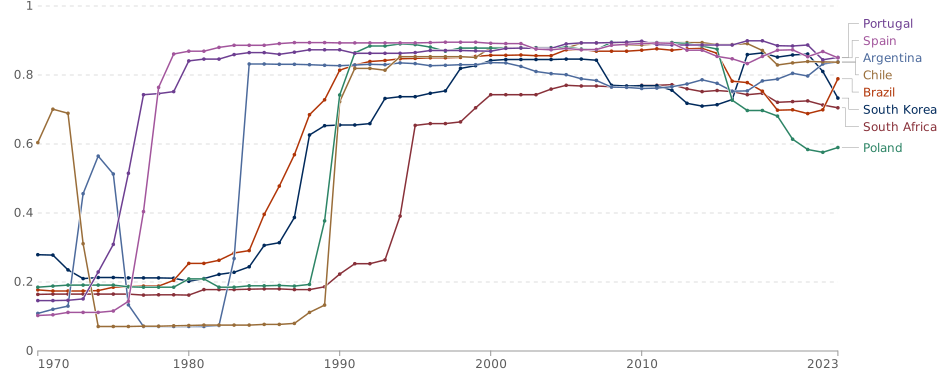
The Third Wave of Democracy (1974-2023)
Democratic countries rose from 35 (1974) to 90+ (2000s) - largest democratic expansion ever. Now shows signs of reversal.
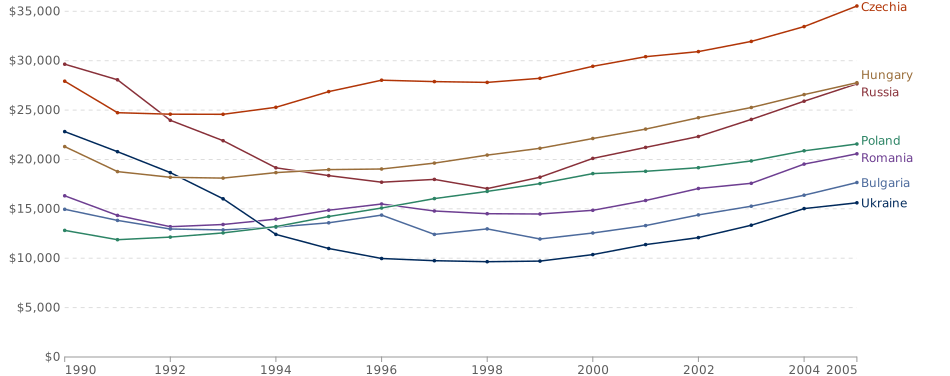
Fall of Communism (1989-2000)
Eastern Europe GDP crashed 20-40% after 1989 then recovered - shows painful transition from planned to market economy.
Violence
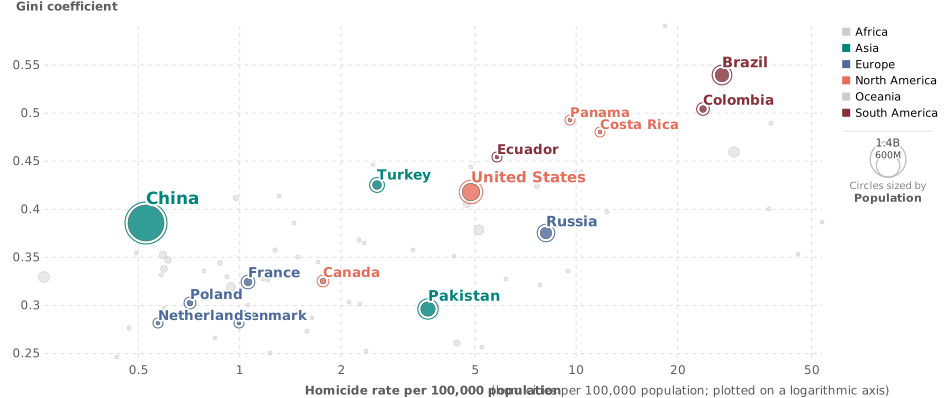
Inequality and violence correlation
Higher inequality correlates with higher homicide rates across countries
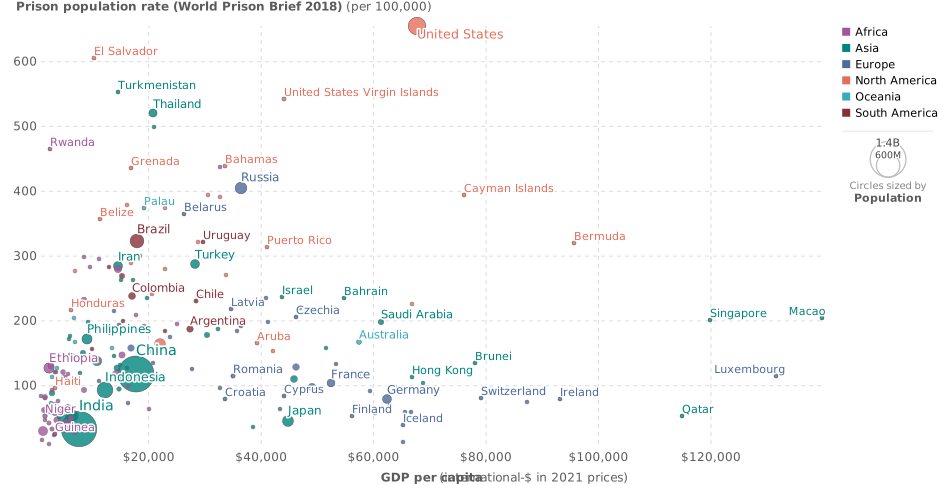
Incarceration and development
Complex relationship with notable outliers (e.g. the US with incarceration rates 5-10x other wealthy nations)
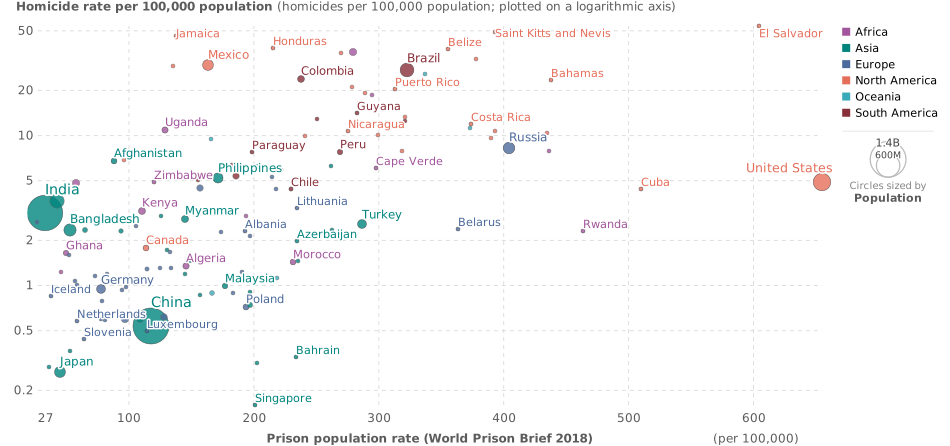
Incarceration effectiveness paradox
Many countries show high incarceration rates alongside high homicide rates questioning deterrence effectiveness. Dynamic analysis could improve understanding.
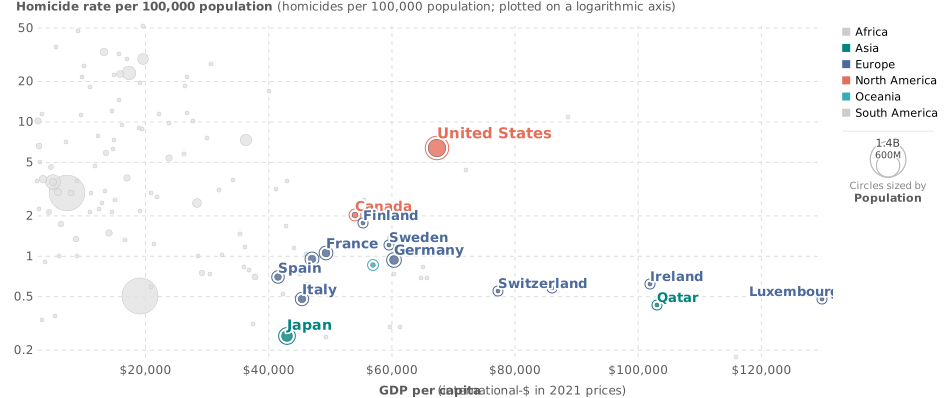
US homicide exceptionalism
Clear negative correlation between economic wealth and homicide rates. Notable outliers (US homicide rates 5-10x higher than similar wealthy democracies)
Economics
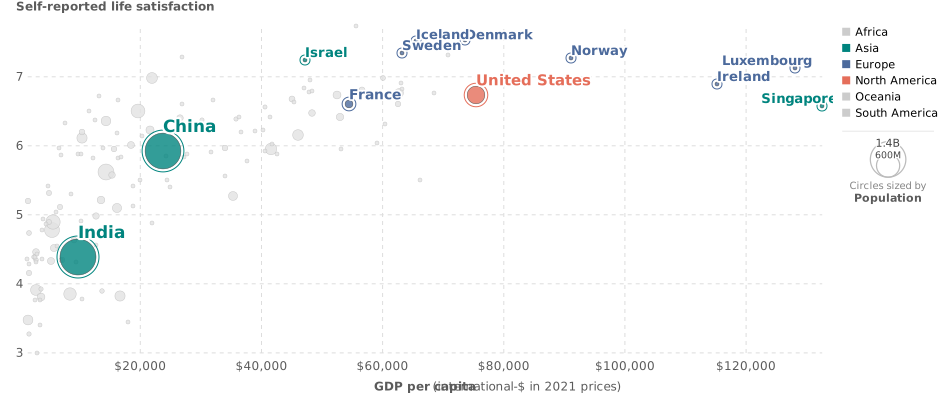
GDP-Happiness relationship (Easterlin paradox)
Beyond ~$40k GDP/capita, happiness gains diminish - shows limitations of economic growth alone

Productivity growth patterns
Western nations show steady long-term productivity gains, while China and India demonstrate rapid catch-up; Ethiopia and Brazil lag despite recent improvements.
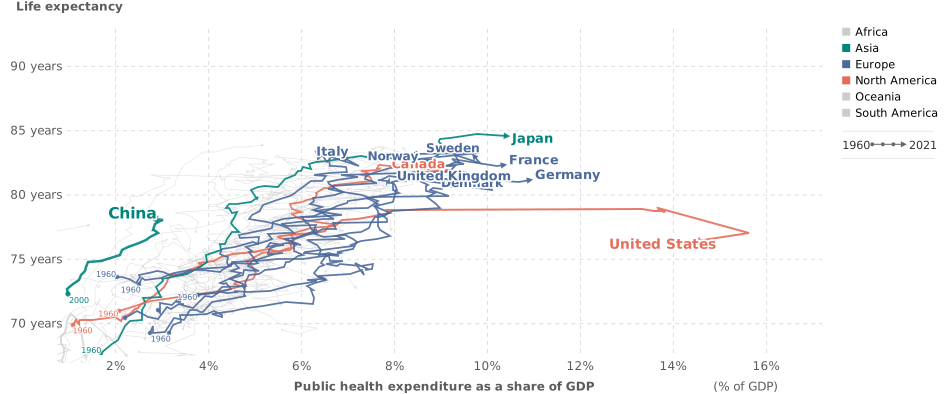
US healthcare cost anomaly
USA spends far more on healthcare as % of GDP but achieves lower life expectancy than other wealthy nations - trajectory shows widening gap
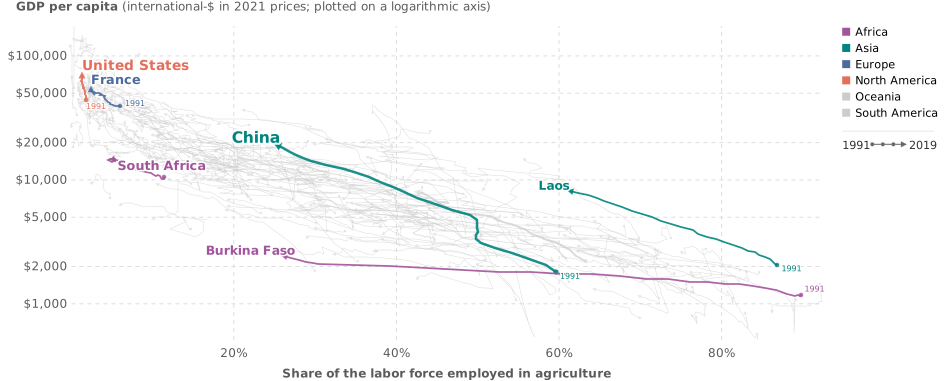
Structural transformation
Shows clear pattern: as countries develop, agricultural employment drops from 50%+ to <5%
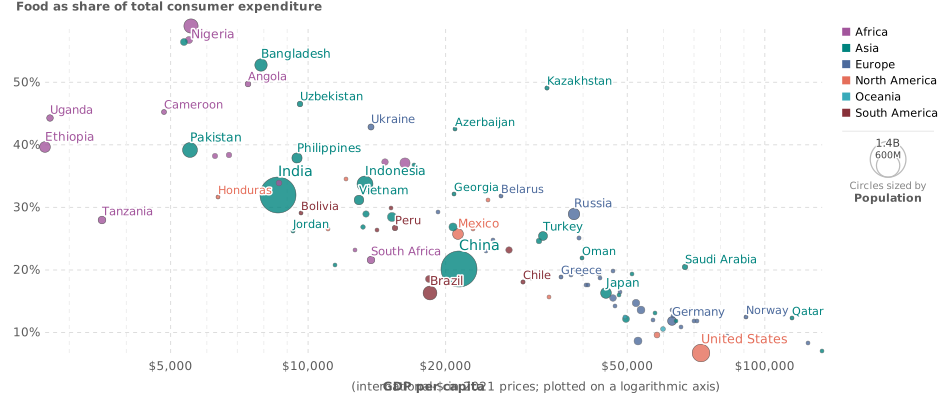
Engel's Law: Food expenditure share
Poorer countries spend higher % on food (>40%) vs wealthy (<15%)
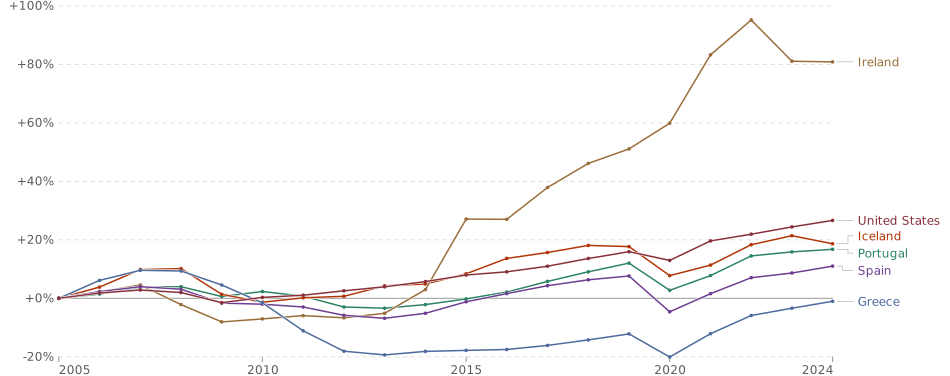
The 2008 Financial Crisis
Largest economic crisis since Great Depression - some countries (Greece/Spain) took 10+ years to recover.
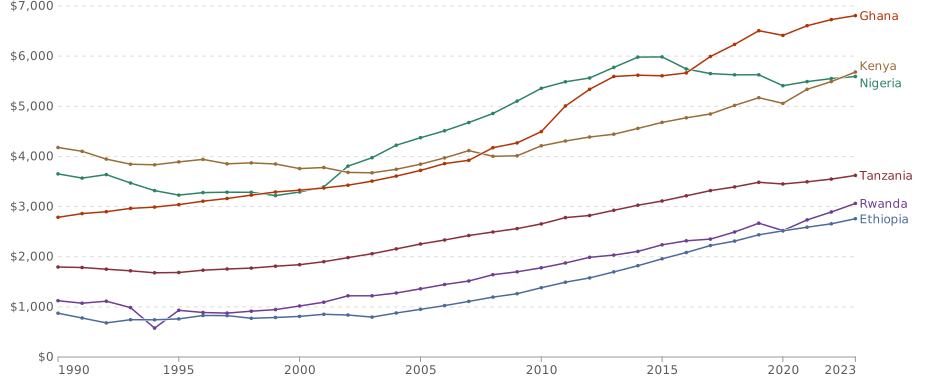
African Growth Revival (2000-2023)
After 20 years of stagnation (1980-2000) Africa resumed growth - though still below Asian rates.
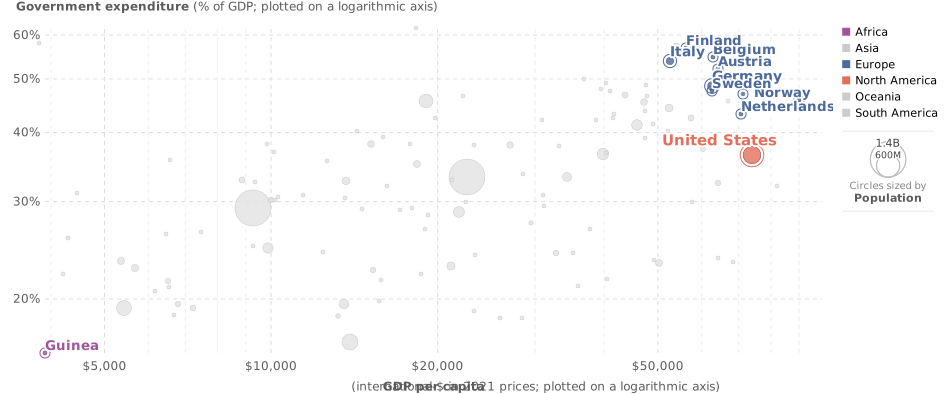
The Nordic Tax Paradox
High-tax Scandinavian countries (45-50% of GDP) achieve both strong economic growth and high life satisfaction - challenging the tax-kills-growth narrative

Working Hours Divergence
Since 1980: Europeans work 25% fewer hours while maintaining productivity parity with Americans - questions the hours-worked = prosperity equation
Health
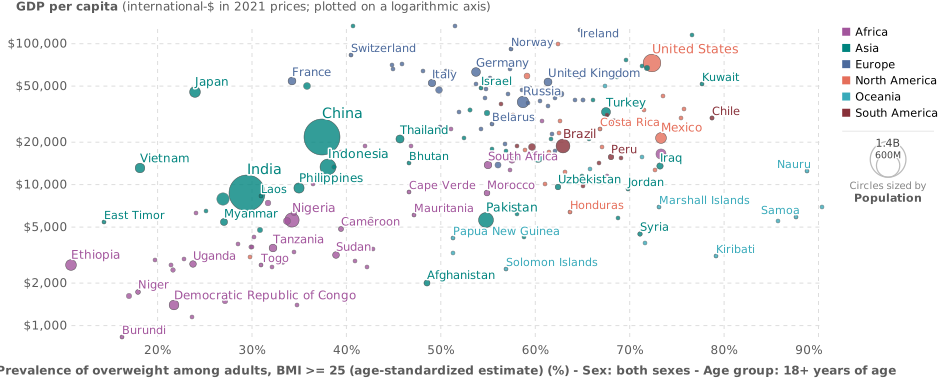
Obesity and wealth paradox
Middle-income countries show rising obesity; wealthiest countries vary widely
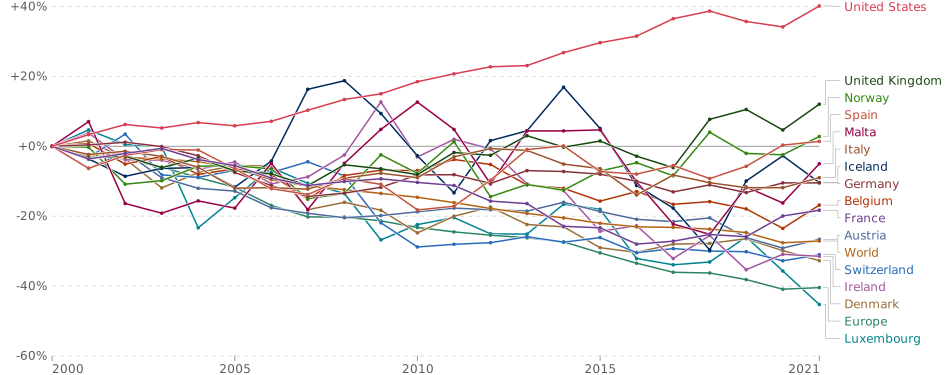
Suicide rate evolution
US suicide rates continue increasing while declining in most other wealthy democracies
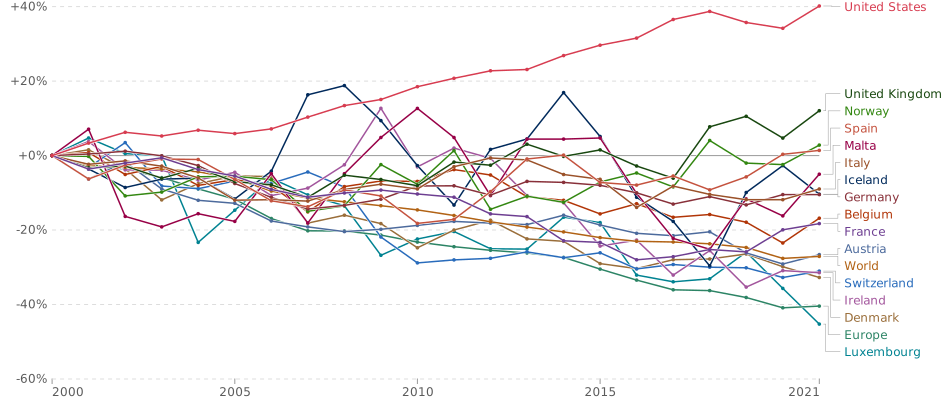
Substance use death rates rising
US death rates from substance use disorders increase more significantly than in other wealthy democracies
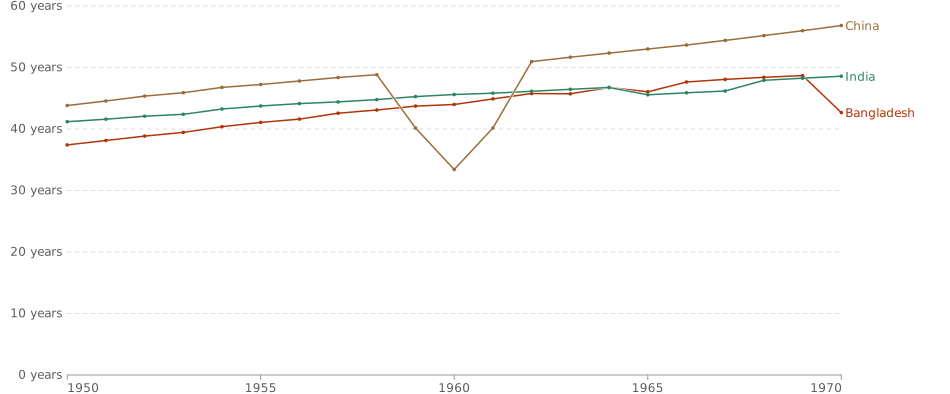
China's Great Leap Forward (1958-1962)
China's famine killed 15-45M people - visible as life expectancy drop from 50 to 30 years. Worst peacetime catastrophe.
Demography
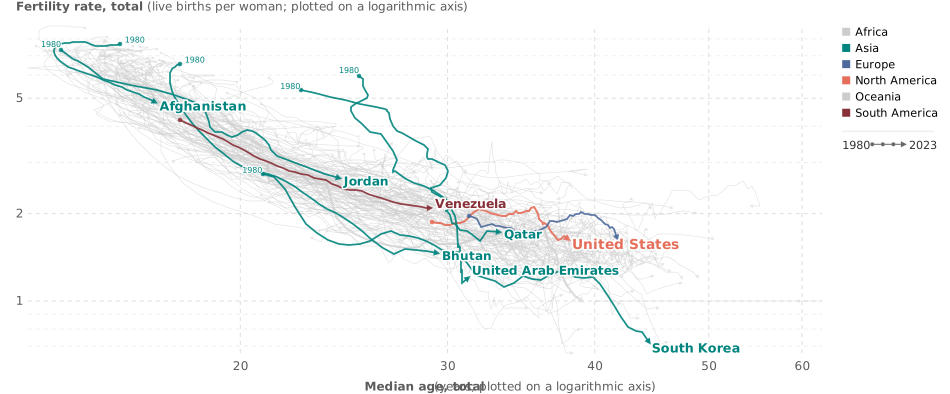
Aging and fertility spiral
Shows aging-fertility feedback loop; countries struggle to reverse trajectory

Living alone and development
Wealthier countries have more single-person households (individualization)
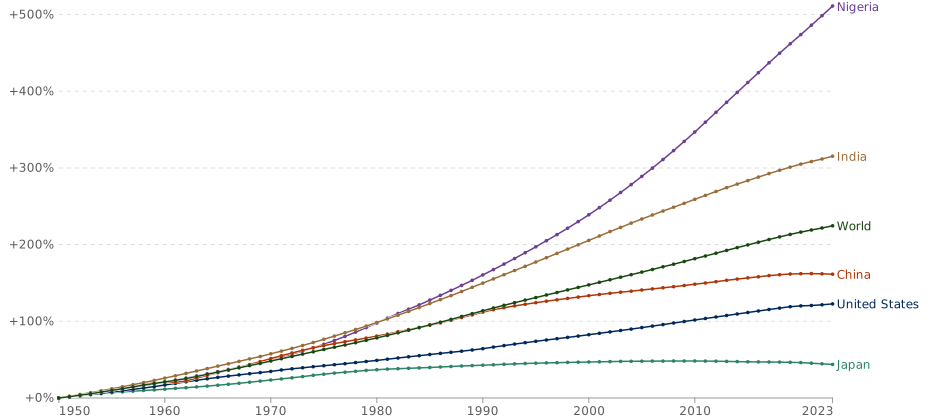
The Population Explosion
World population: 2.5B (1950) → 8B (2023) - tripled in 70 years. Peak growth rate was 2.1%/year in 1968.
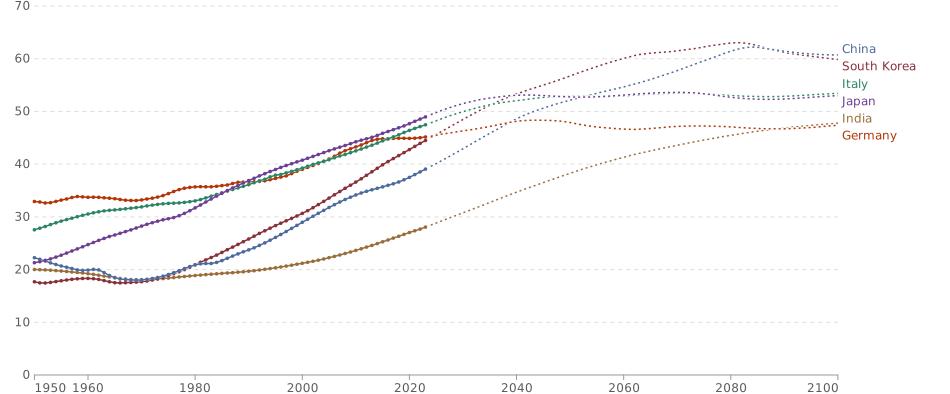
The Population Aging Crisis (1950-2100)
Median age rising globally: 24 (1950) → 30 (2023) → 40+ (2100) - creates unprecedented fiscal challenges.
Social Progress
Literacy and longevity improvements
Clear positive relationship between education and health outcomes — countries improving literacy consistently show parallel gains in life expectancy.
Rise of the welfare state
Government expenditure grew from ~10–15% of GDP (1950) to ~40–50% (2023) in most high-income nations, marking the expansion of the modern public sector.
Urbanization quality
Rapid urbanization in developing countries creates slum challenges
China's Reform Era (1978-2023)
China lifted 800M from poverty - largest poverty reduction in history. GDP grew 40-fold since Deng's reforms.
Urbanization Without Prosperity
Many African/Asian nations reached 50%+ urbanization at GDP levels where Europe was still 80% rural - shows urbanization decoupled from development
The Poverty Paradox
$3/day poverty eliminated in China (800M people) while Sub-Saharan Africa still has 400M+ in extreme poverty despite decades of aid